Whoa!
I remember installing my first Solana wallet like it was last week, though it was really a few years ago; the rush felt similar to opening a new phone. My instinct said this would be fast and painless. At first glance the UX was slick, almost click-and-done, and that matters—usability is what gets people into DeFi. But something felt off about the permission screens back then, and I kept poking around, because I care about what wallet extensions can actually do on your behalf.
Really?
Yes, seriously—wallet extensions are tiny programs with huge powers. They sign transactions, store seed phrases locally (in encrypted form), and talk to web pages that sometimes are built by strangers with incentives you don’t fully know. If you treat a wallet like a browser tab, you’re asking for trouble; treat it like a bank account instead, and you start asking the right questions. My gut told me to scan origins, check RPC endpoints, and test with small amounts first.
Hmm…
On the surface Phantom nails the basics: clean UI, integration with the Solana dApp ecosystem, and speedy confirmations. But the ecosystem evolves fast, and what works today might be risky tomorrow. Initially I thought Phantom’s default settings were fine, but then realized that a couple of defaults make it easy to approve more than you intended—so actually, wait—let me rephrase that: defaults are convenient, and convenience can be a vector for mistakes. So I changed my workflow.
Here’s the thing.
Security isn’t just code. It’s practices, choices, and a little bit of paranoia—and that last bit is healthy in crypto. I’m biased toward wallets that make advanced features accessible without hiding the risks. This part bugs me when wallets bury approvals behind opaque phrases or «one-click» approval flows. So when a dApp asks for blanket permissions, I pause—even if it promises seamless trading and fancy airdrops.
Whoa!
Let me give a quick practical checklist from years of fiddling with Solana wallets and browser extensions. First, never enter your seed phrase into a web page—never ever. Second, keep small amounts in hot wallets and move the bulk to cold storage for long-term holdings. Third, verify the extension origin and the publisher in the browser’s extension settings before installing; attackers often mimic names or icons to trick you.
Really?
Yeah. People underestimate typosquatting and social engineering. Attackers will copy logos, tweak a letter, and then send you a link from Discord that looks legit. I once nearly fell for a fake extension that had the right color scheme but a slightly different name—learned my lesson the quick way. So I now check the publisher string, user reviews, and sometimes even the extension’s GitHub repo if it’s public.
Hmm…
Performance matters too, especially on Solana where speed is part of the appeal. Phantom typically signs transactions quickly, but that speed comes from lightweight client-side signing and reliance on healthy RPC endpoints. If your wallet is switching RPCs to dodgy servers, you may see odd behavior or delays that increase risk during high-volatility trades. On one hand fast confirms reduce exposure; though actually, slow or rerouted RPCs can hide front-running attempts or failed transactions that still consume fees.
Here’s the thing.
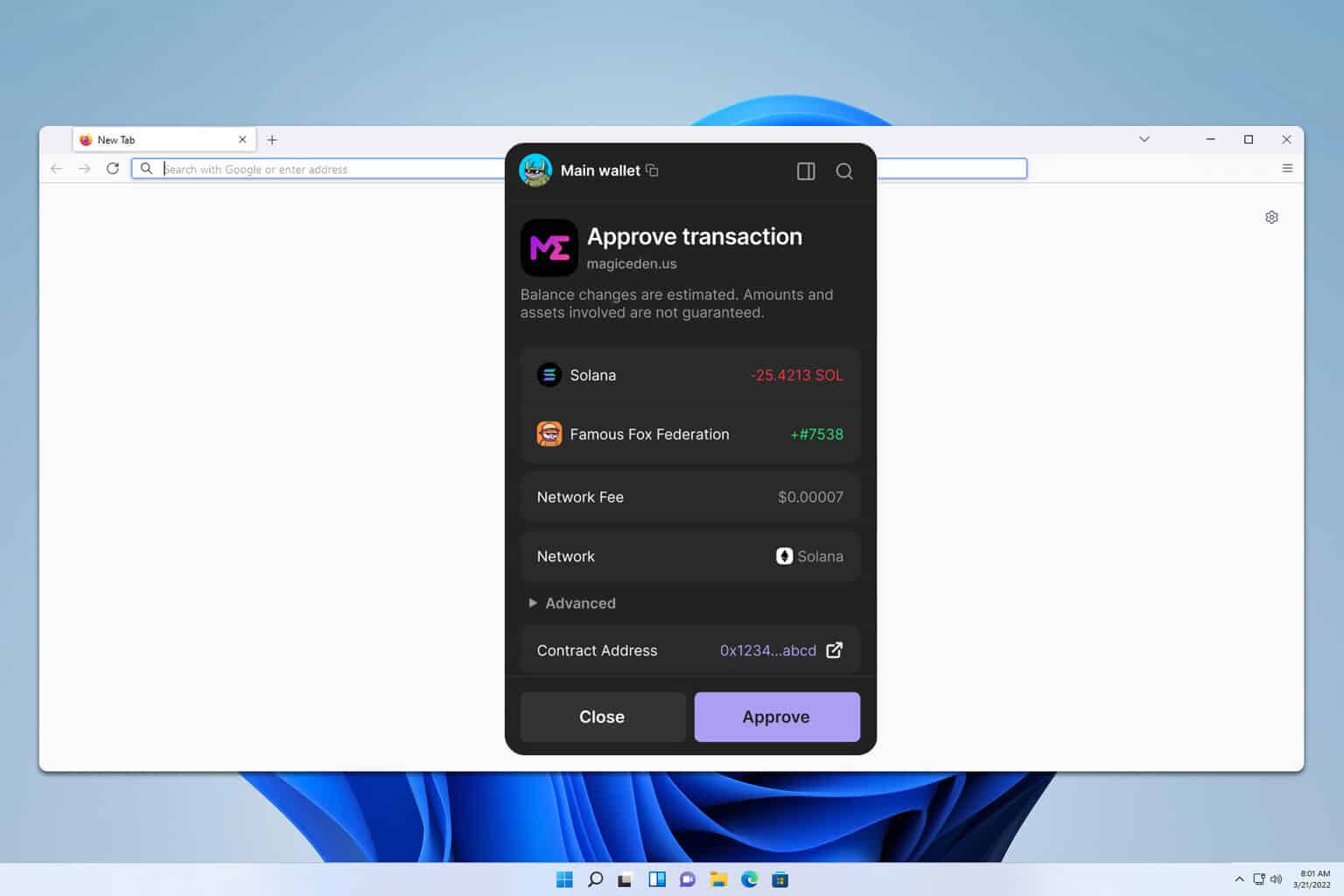
Usability and security trade-offs are real. A wallet that asks fewer questions is tempting when you’re in a hurry at 2 a.m. but that same wallet can make accidental approvals way too easy. For example, some dApp interactions bundle multiple instructions into a single «approve» prompt, which looks concise but masks what each instruction does—swap, transfer, program invoke, burn, etc. I’ve stopped trusting grouped approvals by default and now expand instruction lists before confirming.
Whoa!
Curious about setup habits? I’m big on layered defenses. Start with a hardware wallet for larger balances and a browser extension for day-to-day tasks, and use Phantom as the convenient bridge for many Solana dApps. If you want the extension, I recommend grabbing it from the official source—here’s the one I trust for getting the extension: phantom wallet download extension. Always verify the URL and your browser’s extension permissions right after installation.
Really?
Trust but verify—that’s the motto. After installation, lock down settings: enable auto-lock, reduce exposure by denying unnecessary permissions, and disable «connect on page load» if the wallet offers that toggle. I also keep a burner wallet for initial dApp trials before connecting my main hot wallet. That small extra step saved me from a phishing contract once—seriously, it did.
Hmm…
One hands-on tip: use a developer console to check what a connected dApp is calling when you interact. Admittedly, that’s for more technical users, but even a basic «disconnect and reconnect» can reset awkward permission states. Initially I thought disconnecting was redundant, but then realized some sessions persist more than expected; disconnecting and clearing state often solves weird permission hangovers.
Here’s the thing.
Wallet backups are the often-forgotten hygiene step. Write down seed phrases on paper. Store copies in physically separate locations—safes, lockboxes, a trusted relative’s house if you’re comfortable with that. Don’t store seeds in cloud notes. I keep one paper copy in a climate-controlled spot and another in a fire-resistant safe because—well, life happens. You’ll thank yourself later, or at least your future self will.
Whoa!
Now, scam trends: Phantom and other wallets are frequent targets in scam chains: fake swap pages, malicious NFTs that trigger approval prompts, and phishing sites that mimic popular dApps. The scam tactics evolve; they get clever and play on FOMO, promising drops or rare mints. Keep transaction previews on, inspect recipient addresses carefully, and pause if a prompt asks to «approve all tokens» or «sign message» without clear context.
Really?
Yes—those blanket approvals are dangerous. Approving unlimited token transfers is like handing someone a signed blank check. If you’re doing a one-off swap, set a specific allowance instead of permitting unlimited transfers. Some wallets and token contracts allow time-limited or amount-limited approvals—use them. If the interface doesn’t offer granular allowances, step back and evaluate whether the trade is worth the risk.
Hmm…
Developer ecosystems matter too. Phantom’s developer tools and extension APIs have helped grow Solana dApps quickly, but rapid growth exposes a surface area of risks that need continuous monitoring. On one hand, lots of integrations make the wallet indispensable; though actually, that same ubiquity attracts attackers. A decentralized ecosystem requires continuous user education and vigilant maintainers.
Here’s the thing.
If you’re building or integrating with Phantom as a dev, document RPC expectations, provide clear UX for approvals, and never ask users for their seed phrases. And if you’re a user, make it a habit to audit what dApps ask for by expanding instruction lists and reading method names—it’s a small effort that buys peace of mind. I’m not 100% certain any single setup is bulletproof, but these practices shift odds in your favor.
Whoa!
Wrapping my head around all this leaves me both optimistic and cautious. I love Solana’s speed and the fluidity Phantom brings to the ecosystem—it’s a genuinely useful tool. But I also recognize that convenience creates attack surfaces, and that reality requires deliberate habits and occasional skepticism. So yeah, be excited, but take steps to protect what you care about.
Quick FAQ and Practical Wrap
Okay, so check this out—below are the short answers I give friends when they ask how to stay safe while using Phantom and similar Solana wallets.
Common Questions
Q: Should I use Phantom as my primary wallet?
A: Use Phantom for daily activities and small trades, but consider a hardware wallet for long-term holdings. I’m biased, but that split strategy balances convenience with security. Also, keep a separate burner wallet for testing new dApps so you reduce exposure for your main account.
Q: What are the first things to change after installing an extension?
A: Lock settings, deny blanket permissions, enable auto-lock timers, and verify the extension publisher. Check the extension permissions and the origin; if anything looks off, remove it. And always test with tiny amounts first—very very small—before moving more funds.
Deja un comentario