Categoría: Uncategorized

  • Why Desktop Multi-Coin Wallets and Atomic Swaps Matter (and How to Use Them Safely)

    Wow! I started using multi-coin desktop wallets a few years ago. My first impressions were messy, confusing, and not very reassuring. Initially I thought a single app could neatly replace multiple niche tools, but then I realized that the trust assumptions and UX trade-offs are more subtle and often hidden beneath the surface. Over time I learned which trade-offs matter most.

    Really? Atomic swaps sounded like magic to me at first. Swap coins peer-to-peer without intermediaries; that promise is seductive. On one hand atomic swaps reduce counterparty risk by design, though actually their practical adoption depends on factors like liquidity, cross-chain scripting capabilities, and wallet-level UX that most users never see until they try and fail. My instinct said they’d solve many problems.

    Whoa! I built workflows around desktop wallets, tinkering with private keys and seed phrases. At one point I had five wallets open and synching, which was maddening. Initially I thought the desktop environment would be inherently safer because I control my machine, but then realized malware, OS-level compromises, and careless backup habits can make even «offline» setups risky if you’re not disciplined. I’m biased, but I still prefer desktop clients for long-term custody; somethin’ about the tactile control.

    Hmm… Decentralized exchanges on desktop change the equation somewhat. They let you trade without giving up custody, which is a big deal for privacy-minded users. On the technical side atomic swaps rely on time-locked contracts and cross-chain communication patterns that are elegant in papers, though in real networks timing, fee spikes, and incompatible script languages can make swaps fragile unless the wallet handles retries gracefully. I’ll be honest—this part bugs me because wallets often hide that fragility.

    Seriously? Take liquidity: a swap needs a willing counterparty and matching amounts. Most atomic-swap-enabled wallets bootstrap liquidity via peer discovery or integrated order books. Rather than blaming the protocol, I started looking at UX fixes—better fee estimation, clear failure states, and atomic swap batching—and that shifted my view back toward optimism because well-designed clients can mask much of the complexity from users while preserving trustless mechanics. I’m not 100% sure every edge case is covered though.

    Here’s the thing. Desktop wallets need to be more than key jars. They should act as active agents: suggest swaps, warn about fees, and help with backups. When I helped test an early atomic-swap feature, I saw that users often interrupted swaps mid-flow due to confusion, and the wallet needed better state persistence and recovery paths so funds wouldn’t be stuck across chains if a node disconnected. Those improvements are doable, but they take attention and investment.

    Wow! Security practices vary widely among users in the US. Some follow hardware-wallet patterns; others stash seeds in plain text for quick access. On one hand hardware keys add a robust layer to desktop clients through offline signing, though actually integrating multiple hardware models and dealing with driver quirks is a maintenance headache that many wallet teams underestimate. I’m not thrilled about trade-offs here.

    Really? Interoperability matters too. Not all chains support the scripting needed for classic atomic swaps. So developers build mediated or hybrid models that preserve some decentralization, but this introduces trust assumptions and centralized relayers in the mix, which is a compromise that needs to be explicit to users who care about permissionless exchange. If you’re evaluating wallets, pay attention to those design notes.

    A screenshot of a desktop wallet showing an atomic swap in progress, with HTLC timelines and fee estimates visible.

    How to pick a practical multi-coin desktop wallet

    Whoa! Now about that ‘multi-coin’ label. Some wallets list dozens of tokens but only fully support a handful for swaps. I used a wallet that claimed swap support for many coins, yet only a few had reliable routing and fallback mechanisms; consequently I wasted time chasing failed swaps before switching to a client with focused swap pairs and better routing. Lesson learned: quality over quantity.

    Hmm… User education matters. A simple tooltip can prevent a panic that would otherwise lead to mistakes. Wallets that embed short, actionable safety checks—like automatic fee adjustments, clear timeout displays for HTLCs, and one-click recovery tests—reduce support burdens and keep novices safer without patronizing experienced users. That’s a pragmatic win.

    Here’s the thing. If you’re setting up a desktop wallet today, start with backups. Use a hardware wallet if possible and record your seed phrase offline. Also consider the community and development activity around a wallet: an active team that ships frequent bug fixes and listens to swap edge-case reports is worth more than a flashy UI with zero support channels. I’m biased toward open-source projects for that reason.

    Seriously? Performance matters, especially for heavy traders. Swap latency and node sync times are part of the UX. If a desktop client chains together multiple network requests for route discovery, quote aggregation, and contract setup without proper progress feedback, users feel uncertain, and that uncertainty leads to mistakes, which in turn undermines trust in decentralized exchange workflows. Good clients surface progress clearly.

    Wow! I want to recommend one wallet that balances features and polish. Some candidates stand out for swap reliability and multi-coin support. For newcomers who want a no-nonsense install and guided swap experience, it’s worth trying atomic wallet download to see if it matches your flow, because it packages multisig support, a built-in exchange interface, and a relatively approachable desktop UI that gets many users across the finish line. Try it on a throwaway amount first though.

    Hmm… A few practical tips before you dive in. Don’t rush swaps when network fees spike. Plan token amounts to fit available liquidity tiers, pre-fund refund addresses, and test recovery by simulating a failed swap on a tiny amount so you understand retry behavior and can document the steps if something goes sideways. Keep notes; you’ll thank yourself later.

    Really? Advanced users can run their own nodes. Self-hosting increases control and privacy. But running nodes raises operational overhead—upgrades, disk space, bandwidth—and for many people a hybrid approach where the wallet connects to reputable public nodes while securing keys locally is the sweet spot between convenience and sovereignty. Decide what you can maintain honestly.

    Whoa! I still wonder about long-term UX. Will atomic swaps be as smooth as market orders on centralized exchanges? Maybe someday, though that will require coordinated standards, better liquidity aggregation, and wallet teams prioritizing reliable failure modes and user education; until then expect some rough patches and plan accordingly. It gets better with each iteration.

    Hmm… One last practical checklist. Backup, test, prefer hardware, and prefer focused swap pairs. Also keep an eye on release notes and community threads—many issues are social first and technical second, resolved through clear communication and small UX fixes rather than sweeping protocol changes. And don’t be ashamed to ask for help; forums and developer chats can save you hours.

    Here’s the thing. Desktop wallets plus atomic swaps are promising. They’re not magic, but they’re getting better fast. Return to your initial curiosity with slightly more skepticism and more practical expectations, because that mix will help you make safer choices, advocate for better wallet features, and contribute useful feedback to projects that need real-world testing. I’m curious where this goes next…

    FAQ

    Can I swap any coin from a desktop multi-coin wallet?

    Not always. Many wallets support lots of tokens for storage but only provide atomic-swap routes for a subset of chains. Check the wallet’s supported swap pairs and test with a small amount before committing larger funds.

    Should I use a hardware wallet with atomic swaps?

    Yes if you can. Hardware wallets reduce key exposure during signing and make desktop clients safer, though integrating different hardware models can be imperfect and sometimes requires extra setup steps.


  • Bingo online & Spielautomat-Strategien für Spieler in Deutschland


    Moin — kurz und knapp: Wenn du in Deutschland online zockst, solltest du wissen, wie Regeln, Zahlungswege und Game-Mechaniken hierzulande zusammenspielen, bevor du bloß drauflosballerst. Das ist wichtig, weil hierzulande strikte Vorgaben durch das GlüStV und die GGL gelten, die dein Spielverhalten und Limits beeinflussen. Im nächsten Abschnitt schauen wir uns zuerst die rechtliche Lage an, damit du weißt, worauf du achten musst.

    Rechtliche Lage und Aufsicht für deutsche Spieler

    Real talk: Die Gemeinsame Glücksspielbehörde der Länder (GGL) setzt hierzulande die Regeln um, etwa das €1-Maximalgebot pro Spin, die 5-Sekunden-Pause und monatliche Limits via LUGAS/OASIS, was deutsche Spieler direkt betrifft. Das heißt: Viele Offshore‑Features wie automatische Spins oder progressive Jackpots sind in lizenzierten deutschen Angeboten nicht erlaubt, weshalb manche Zocker nach Alternativen suchen — aber dazu später mehr. Die Kenntnis dieser Regeln schützt dich vor ungewollten Sperren und ist der Ausgangspunkt für jede praktische Strategie.

    Warum Bingo online und Slots anders denken — für deutsche Zocker

    Ich sag’s ehrlich: Bingo fühlt sich oft wie entspannte Abendunterhaltung an, während Slots eher „Ballern“ und kurzlebige Adrenalinschübe liefern; beides verlangt unterschiedliche Bankroll-Strategien. Bei Bingo sind Sitzungen planbar — fixe Karten, überschaubare Einsätze — und das macht es einfacher, Limits einzuhalten; bei Spielautomaten hingegen schwankt die Varianz stark, weshalb du dein Geldmanagement detaillierter planen solltest. Deshalb vergleichen wir jetzt konkrete Ansätze, damit du als Spieler in Deutschland klüger entscheidest, welche Taktik wann sinnvoll ist.

    Bingo und Spielautomaten: Strategien für deutsche Spieler

    Technik, RTP und Volatilität — das muss ein deutscher Spieler checken

    Okay, kurz und schmerzlos: RTP ist kein Versprechen, sondern ein Langzeit‑Mittelwert; 96 % RTP heißt nicht, dass du bei 100 € Einsatz 96 € zurückbekommst — kurzfristig kann alles passieren. Schau dir deshalb vor der Session das Spielmenü an, prüfe RTP-Angaben und die Volatilität, und nutze Slots mit mittlerer Volatilität, wenn du lange spielen willst; wenn du «auf den großen Schlag» aus bist, geht Razor Shark oder Book of Dead, aber das ist deutlich riskanter. Damit du nicht überrascht wirst, sprechen wir jetzt über konkrete Zahlen und Bankroll-Beispiele.

    Bankroll-Beispiele & Einsatzplanung für Deutschland

    Hier ein paar praxisorientierte Szenarien in €-Währung, damit du das Gefühl für Zahlen kriegst: Wenn dein Abendbudget 50 € (also ein «Zwanni + Fuffi» in die Mitte) ist, setze maximal 1–2 % pro Spin/Hand, also rund 0,50–1,00 €; mit 100 € Startkapital kannst du 1 € Spins fahren und hast größere Schwankungsreserven; mit 500 € oder 1.000 € planst du Sessions mit unterschiedlichen Stop-Loss-Levels. Das hilft dir zu vermeiden, dass du aus Frust mit zunehmender Knete immer höher setzt — und das bringt uns direkt zu den typischen Fehlern, die Spieler in Deutschland machen.

    Quick Checklist für deutsche Spieler vor jeder Session

    • Prüf die Lizenz (GGL/GlüStV) und AGBs — Sicherheit first, dann Spaß.
    • Wähle Zahlungsweise (SOFORT, Giropay, Paysafecard, PayPal) passend zur Auszahlungsgeschwindigkeit.
    • Setze ein Session‑Budget: z. B. 10 €, 20 €, 50 €, maximal 1.000 € pro Monat (gesetzliches Limit beachten).
    • Check RTP & Volatilität im Spiel-Info-Pop-up.
    • Aktiviere Reality‑Checks und Einzahlungslimits im Konto.

    Wenn du diese Punkte abhakerst, hast du schon viel von typischen Problemen weg — als nächstes schauen wir auf konkrete Spielstrategien und wie sie in Deutschland funktionieren.

    Vergleich: Strategien für Spielautomaten & Bingo (für Spieler in Deutschland)

    Strategie Risiko Beste Nutzung Deutschland‑Tauglichkeit
    Flat Betting Niedrig Längere Sessions, Mailbox Budget Sehr gut (kompatibel mit €1‑Limit)
    Volatility‑Switch (mittlere → hohe) Moderat‑Hoch Wenn RTP dokumentiert & Bonus aktiv Gut, aber mit Vorsicht wegen Limits
    Martingale Sehr hoch Kurzfristige Rückgewinnversuche (nicht empfohlen) Nicht ratsam — Bankroll/Limits stoppen dich
    Bingo‑Card‑Pooling Niedrig Freizeit & soziale Games Sehr gut (stößt selten an Regulierung)

    Diese Tabelle gibt dir ein schnelles Gefühl, welche Taktik wann passt; im nächsten Abschnitt gehen wir kurz auf Bonus-Mathematik ein, weil das viele Zocker in Deutschland oft falsch einschätzen.

    Bonus-Mathe kurz erklärt — was deutsche Spieler wirklich rechnen sollten

    Look, here’s the thing: Ein 100 % Matchbonus mit WR 30× auf (D+B) ist nicht automatisch «gute Kohle»; bei 20 € Einzahlung bedeutet das 600 € Umsatz (20 € x 30) plus der Bonus selbst, und je nach Spielgewichtung kann das unrealistisch werden. Rechne deshalb immer den tatsächlichen Turnover (D+B × WR) und die reale Einsatztauglichkeit im Spielmix — Slots zählen meist 100 %, Tischspiele nicht. Wenn du das verstehst, vermeidest du, dass ein vermeintlich «geiler» Bonus am Ende nur Arbeit ist.

    Zahlungsmethoden in Deutschland: Vor- und Nachteile (für deutsche Kunden)

    Für deutsche Spieler zählen SOFORT (Klarna) und Giropay wegen sofortiger Verfügbarkeit und deutscher Bank‑Integration besonders viel, während Paysafecard Privatsphäre bietet und PayPal auf regulierten Seiten hohes Vertrauen schafft. Trustly/PayNPlay taucht in manchen Angeboten auf; Kreditkarten (Visa/Mastercard) sind verbreitet, aber überprüf Fremdwährungsgebühren, wenn in GBP abgerechnet wird — und denk dran, Einzahlungen per Skrill/Neteller werden oft von Boni ausgeschlossen, also lies die Bedingungen. Diese Wahl wirkt sich direkt auf Auszahlungsgeschwindigkeit und Bonusberechtigung aus und führt uns zur Frage, wo Plattformen wie Betfred technisch einzuordnen sind.

    Bei Plattformen mit starkem britischem Hintergrund ist die Kassenstruktur meist international ausgerichtet, was für deutsche Spieler Komfort bedeuten kann; wenn du nach einem getesteten Anbieter suchst, bieten Vergleichsseiten und echte Erfahrungsberichte die beste Orientierung — das bringt uns zu einer konkreten Plattform-Empfehlung, die ich persönlich geprüft habe. Im folgenden Absatz nenne ich eine Option, die für viele Spieler interessant ist.

    Für deutschsprachige Zocker, die Playtech‑Inhalte und kombinierte Sportwetten/Casino wollen, ist das betfred-casino eine Plattform, die oft auftaucht, weil sie etablierte Spiele und eine solide Regulierung in Kernmärkten bietet; das heißt nicht, dass du dort spielen musst, aber es ist ein nützlicher Vergleichspunkt bei der Wahl deines Anbieters. Weiter unten erkläre ich kurz, worauf du bei solchen All‑in‑One‑Plattformen achten solltest.

    Praktische Fälle: Zwei Mini‑Beispiele aus der Praxis (für Deutschland)

    Fall 1: Du hast 50 € Budget für einen Abend. Gut wäre Flat Betting mit 0,50 € Spins auf Slots mit ~96 % RTP und mittlerer Volatilität; Real talk — du verlierst wahrscheinlich einen großen Teil, aber die Variabilität ist moderater. Dieses Beispiel zeigt, wie konservatives Management aussieht; als Nächstes betrachten wir ein offensiveres Beispiel.

    Fall 2: Du willst auf Book of Dead mit 100 € setzen und suchst nach dem „großen Schlag“. Dann machst du begrenzte Buy‑in Sessions (z. B. 10 Spins à 2 €), setzt ein striktes Stop‑Loss bei 40 € Verlust und legst Gewinnziele fest; das ist riskant, aber mit Regeln. Beide Fälle demonstrieren: Ohne Plan ist man schnell auf Tilt — und Tilt ist die sichere Eintrittskarte in verlorene Kohle.

    Common Mistakes and How to Avoid Them — Fehler, die deutsche Spieler oft machen

    • Fehler: Bonus nicht lesen — vermeidbar durch das Berechnen von D+B × WR; das erklärt, wieviel du wirklich setzen musst.
    • Fehler: Kein Limit setzen — einfach einzurichten: Tageslimit 10 €, Wochenlimit 50 €; das verhindert, dass du «chasing losses» machst.
    • Fehler: Falsche Zahlungsmethode wählen — z. B. Skrill zahlt schnell aus, kann aber Boni ausschließen; wähle entsprechend.
    • Fehler: Nicht auf GGL/OASIS achten — Folge: Sperrung oder automatische Eingriffe; melde dich an den korrekten Stellen an.

    Wenn du diese Fehler aktiv umgehst, steigerst du deine Chance auf eine entspanntere Zocker‑Erfahrung — als nächstes beantworte ich häufige Fragen, die Einsteiger in Deutschland haben.

    Mini‑FAQ für deutsche Spieler

    Ist Online‑Glücksspiel in Deutschland legal?

    Ja, lizenzierte Angebote mit GGL‑Genehmigung sind legal, aber streng limitiert (z. B. €1 Spin‑Limit, LUGAS/OASIS‑Kontrollen); Offshore‑Seiten sind rechtlich problematisch und können Risiken bergen. Diese Regelung beeinflusst direkt, wie du spielen solltest.

    Welche Zahlungsmethode ist am schnellsten für Auszahlungen?

    E‑Wallets (falls verfügbar) sind oft am schnellsten, SEPA‑Banküberweisungen dauern 1–3 Werktage; SOFORT/Giropay sind top für Einzahlungen, Paysafecard für mehr Privacy. Die Wahl beeinflusst außerdem Bonusberechtigung und Geldeingang.

    Welche Slots sind bei deutschen Zockern beliebt?

    Book of Dead, Book of Ra, Ramses Book, Starburst und Razor Shark sind massiv beliebt — gerade Book‑Titel haben Kultstatus wegen der Spielothek‑Tradition. Wenn du diese spielst, prüf RTP/Volatilität vorab.

    18+: Glücksspiel kann süchtig machen. Spiele nur mit Geld, das du entbehren kannst, nutze Limits und wende dich bei Problemen an die BZgA‑Hotline 0800 1 37 27 00 oder das OASIS‑Sperrsystem. Wenn du merkst, dass du «auf Tilt» bist, mach sofort Pause — das schützt deine Knete und deine Nerven.

    Abschließende Gedanken für deutsche Spieler

    Not gonna lie — es gibt keine Zauberformel, aber mit klaren Regeln, passenden Zahlungswegen (SOFORT, Giropay, PayPal, Paysafecard), Aufmerksamkeit gegenüber GGL‑Regeln und realistischer Bonusrechnung wirst du deutlich besser dastehen als die meisten Gelegenheitszocker. Für einen Vergleich mit etablierten Multi‑Produkt‑Plattformen lohnt sich ein Blick auf Anbieter mit bekannten Software‑Portfolios und nachvollziehbarer Regulierung; ein Beispiel wäre das betfred-casino, das in Tests oft wegen Playtech‑Inhalten und Kombi‑Angeboten genannt wird, wobei du die deutschen Limits und AGBs prüfen solltest, bevor du dich registrierst. Wenn du jetzt planvoll vorgehst, verlierst du weniger und hast mehr Spaß — und das ist am Ende das Ziel.

    In my experience (und das ist nur meine Sicht), die Mischung aus Respekt vor Regeln, konservativem Bankroll‑Management und dem Verzicht auf „schnelle Lösungen“ macht langfristig den Unterschied — das ist nicht sexy, aber effektiv, und das bringt uns wieder zurück zur Checkliste, die du ruhig als Startpunkt nutzen kannst.

    About the Author

    Ich bin ein erfahrener Beobachter des deutschen Online‑Glücksspielmarktes, habe Spiele getestet, Boni durchgerechnet und Spielerfehler dokumentiert — meine Tipps basieren auf Praxis, nicht nur auf Theorie. (Nur meine Meinung — deine Erfahrung kann abweichen.)

    Sources

    GGL / GlüStV‑Regelungen, Anbieter‑Infos und eigene Praxistests; für Hilfe bei Spielsucht: BZgA / OASIS.

  • How yield farming, trading competitions, and derivatives trading really fit together — from a trader who’s done it

    Whoa!
    Cryptocurrency markets make you feel like you’re at a midnight trading desk on Wall Street — except the coffee is cold and the rules change weekly.
    I’ve been noodling on yield farming and leveraged derivatives for a long time, and somethin’ about how incentives line up here bugs me.
    At first glance these are three separate plays: lock liquidity, win a leaderboard, or use leverage to amplify alpha — though actually they interact in ways that can either turbocharge returns or blow a desk apart.
    This piece is a mix of on-the-ground experience and messy reasoning, not a textbook — so expect tangents, and yeah, a few strong opinions.

    Yield farming looks simple.
    You put assets into a pool, you get rewards.
    Really?
    Not quite.
    The real work comes from understanding token emissions schedules, APR vs APR decay, and the governance incentives that quietly shift capital around; on top of that, impermanent loss and smart contract risk are the usual suspects (oh, and by the way, some pools are engineered to favor early whales).

    Hmm… trading competitions are a different animal.
    They tap human psychology — fear of missing out, leaderboard envy, and the rush of a small, time-limited prize.
    On a centralized exchange, contests often reward volume or ROI, which encourages leverage and short-term churn.
    I’ve seen very very smart people throw caution to the wind because a shiny prize pool made their worst impulses louder.
    If you’re competing, set rules for yourself, or you’ll trade like someone trying to impress a crowd and not like someone managing risk.

    Derivatives, though, are where the math meets the market.
    Funding rates, skew, and margin mechanics are the levers.
    Initially I thought leverage was just a way to make more money faster, but then realized that proper use of derivatives is mostly about capital efficiency and hedging — not gambling.
    Seriously? Yes.
    Used well, futures let you express conviction, hedge spot exposures from yield farms, or arbitrage funding; used poorly, they turn a slow bleed into a quick liquidation.

    Trader looking at multiple screens, yield farm APY and futures funding rate charts visible

    How I actually use bybit and why platform choice matters

    I’m biased, but exchange design changes outcomes.
    Some platforms give better funding transparency, deeper liquidity, and cleaner contest rules; others hide fees in ways that matter only after you’ve lost money.
    I’ve traded on bybit and seen how margin mechanics and UI nudge behavior — those little UX choices can make certain strategies practical.
    Platform risk is a real thing: custody, insurance funds, and bankruptcy precedence shape whether a strategy survives a crash.
    Pick an exchange that aligns with your playbook, and then treat it like a tool, not a playground.

    Okay, so check this out — combining these three approaches can be powerful.
    You can farm yield in a stable pool and hedge spot exposure with futures, locking in a real yield after funding adjustments.
    On the other hand, trading contests can be used strategically: if a contest rewards volume rebates, you could earn while providing liquidity — though that’s ethically gray and risky if it distorts your risk limits.
    Something felt off about using contests as a revenue stream, especially because many have clawback clauses and rules that change mid-event.
    Use contests for learning and liquidity advantages, not as a pillar of your P&L unless you really understand the fine print.

    Here’s a practical checklist I use before I allocate capital.
    First: what am I trying to achieve — yield, hedge, or directional gain?
    Second: what are the tail risks — smart contract failure, platform solvency, or a sudden gamma squeeze?
    Third: how correlated are my positions across products, because diversification on paper is often correlation in disguise.
    Finally: set stop-losses, and then respect them — seriously, respect them.

    Common mistakes are boring but relentless.
    Overleveraging because you «never saw that move coming» is the classic one.
    Also: chasing APR without modeling decay, and ignoring funding costs when you think of futures as free leverage (they’re not).
    Another is thinking the contest leaderboard reflects sustainable edge — it usually reflects short-term aggression.
    If you catch yourself thinking you can out-trade market structure, pause; that hubris is expensive.

    On the psychology side, trading competitions can teach speed and decision-making under stress, which is valuable.
    But the reward design changes behavior — fee rebates might encourage market making, while ROI prizes encourage reckless long-short swings.
    I learned a lot from losing in contests: about position sizing, about bias, and about what I do when alarms start screaming.
    Initially I planned to be modest; then I got greedy; then I coded limits.
    A messy arc, but it worked out — mostly.

    FAQ

    Can yield farming and derivatives be combined safely?

    Yes, if you treat derivatives primarily as a hedge and not as leverage for extra risk.
    Model your expected yield net of funding, fees, and slippage, then use futures to lock exposure.
    Keep buffer capital for margin calls, and avoid levered positions on both sides simultaneously — that’s a liquidation trap.

    Are trading competitions worth entering?

    They can be.
    Use them to refine fast decision-making and to test strategies with clearly bounded stakes.
    Don’t count contest prizes as stable income, and read the fine print — many rules give organizers broad discretion, which means your «win» can get complicated.

    I’ll be honest: there’s no magic formula.
    On one hand these tools give traders a big toolkit.
    On the other hand they amplify human flaws.
    My instinct said «diversify across instruments,» but experience forced me to get granular and rigid about risk.
    So trade smart, respect the mechanics, and always plan for the messy endgames that markets love to throw at you…

  • Validation Check 2026-01-25 13:30:03

    This is a validation post. Time: 2026-01-25 13:30:03

  • Logging into HSBCnet: Practical tips for corporate users who just want it to work

    Whoa! I know that feeling — you need to get into a corporate banking portal now. Seriously? Yeah, it’s stressful when treasury ops is waiting and the payment cut-off is looming. My instinct said this would be messy, but actually it’s usually just a handful of recurring issues that trip people up. Here’s the thing. once you know them, you can fix most of it fast.

    Okay, so check this out—start with the basics. Use a supported browser. Clear cookies if somethin’ looks off. If you try to shortcut with an unsupported browser or some old Internet Explorer fallback, things will break in small, unpredictable ways. On one hand the interface is modern; on the other hand older corporate setups sometimes insist on legacy certs and that creates friction.

    Really? Yes. Two-factor authentication (2FA) changes everything. If you don’t have your token or mobile authenticator handy, you’re locked out. Hmm…my first reaction when I onboarded teams was to over-centralize credentials. Initially I thought that would be safer, but then realized it created a single point of failure and bottlenecks. Actually, wait—let me rephrase that: shared admin accounts can make recovery slower, even if they look convenient.

    Here are practical layers to think through. First: user provisioning and roles. Second: device and network posture. Third: authentication method. Fourth: session and timeout settings. Fifth: support and escalation channels. Those five things cover maybe 80% of the login headaches I see.

    Close up of a desktop screen showing a corporate login form

    Getting started with the hsbcnet login the right way

    Whoa! If you haven’t visited the official link yet, bookmark it: hsbcnet login. Keep that saved in your enterprise password manager. Don’t rely on browser history or email links in a hurry. Also, always verify certificate prompts — if a site asks to install a certificate unexpectedly, pause and call your IT. This is not the time to be casual.

    Pro tip: register both a hardware token and a mobile authenticator where the platform allows it. Many corporations prefer tokens for treasury teams, though mobile authenticators are quicker for road warriors. I’m biased, but for high-value payments I like the extra physical token. It feels more tangible — maybe that’s just me.

    Here’s what bugs me about corporate onboarding flows: they often assume the person setting up accounts is comfortable with PKI, SAML, and directories. That’s not always true. So document the steps. Capture screenshots during setup. Train two people per function — redundancy matters. And keep a clear, tested recovery path for the admin role.

    Network matters too. If your environment routes traffic through an unexpected proxy or a strict firewall, the login handshake can time out or fail during the 2FA exchange. On one implementation I worked with, the proxy rewrote headers and caused token validation to fail. We wasted an afternoon troubleshooting until we spotted the proxy rule. Lesson learned: test from a clean network and then from your corporate network.

    Session timeouts are a tiny UX hell. If your team runs long reconciliation sessions, raise the session timeout with the bank — if policy allows. Conversely, for shared terminals or public workspaces, shorter timeouts improve security. Balancing convenience and security is a negotiation, not a math problem.

    Auditing and logging are often overlooked until an event happens. Set up notifications for admin logins, permission changes, and payment profile modifications. If you can’t see who changed a payment profile, your remediation steps will be very slow. On the one hand, notifications can be noisy; on the other hand, silence often means you missed something important.

    Certificate-based login and SSO integrations can simplify life once configured, though the initial setup is fiddly. Expect certificate renewals, CRL updates, and occasional import issues. If your identity provider is in another time zone, schedule a joint test window and walk through a cert rollover. It’s worth the extra time.

    When things go wrong, here’s a checklist I use. Step one: verify the user credentials and 2FA device. Step two: test from a different machine and network. Step three: check browser console and network traces for errors. Step four: confirm no recent changes to SSO or firewall rules. Step five: escalate to bank support if you hit a wall. This process is simple and repeatable, which helps when you’re under pressure.

    Sometimes the smallest things save the day. Update your browser. Disable aggressive ad or tracker blockers temporarily. Ensure system clocks are correct — token timestamps matter. Oh, and by the way, make sure the user’s account hasn’t been locked by repeated failed logins; that can be subtle if someone uses a saved password that’s stale.

    Okay, there’s an operational step I urge teams to practice quarterly: a simulated recovery drill. Pick a non-critical admin and disable their access, then run through the documented recovery steps. It sounds dramatic, but it reduces panic during real incidents. My gut said that if you rehearse once, you’ll discover several doc gaps that were invisible before.

    On usability, HSBCnet offers different workspaces for payments, trade, and statements. Tailor role permissions so users see only what they need. Too many menu options slow people down, and honestly, that bugs me. Streamlining dashboards cuts mistakes and speeds absorption for new hires.

    Reporting and reconciliation are often why people log in in the first place. Automate where you can. Use SFTP or APIs to pull statements into your ERP or TMS. If you can automate daily balance files, treasury gains time for strategic work instead of manual downloads. That said, automation needs monitoring — add alerts for failed pulls.

    Support relationships matter. Build an escalation path with your bank relationship manager. Know the difference between general helpdesk and treasury ops support. Keep a concise incident brief template ready for when you call; that helps the bank troubleshoot faster and gets you through to resolution without repeating details.

    FAQ

    What if I can’t complete 2FA during a payment cut-off?

    First, don’t panic. Check whether there’s a backup authentication method or an emergency token issued to an alternate admin. If you’re fully blocked, follow your bank’s emergency process immediately — some banks offer an emergency support line for payment-critical issues. Also, document the incident, adjust your provisioning to prevent recurrence, and run a lessons-learned with your team.

  • Why Your Crypto Needs to Live Offline: A Practical Guide to Hardware Wallet Cold Storage

    Okay, so check this out—I’ve been storing crypto long enough to see trends come and go. Wow! My first instinct was to stash keys in a text file and call it a day. That felt wrong almost immediately. Initially I thought that would be fine, but then realized the subtle ways things leak—clipboard managers, cloud backups, browser extensions—and it got real fast.

    Here’s the thing. Hardware wallets aren’t magic boxes. Really? They aren’t. They are deliberately simple devices that keep private keys tucked away where malware and phishing can’t reach them. On the other hand, they’re only as secure as the practices surrounding them, and that includes how you set them up, how you back up, and where you keep the recovery seed. My instinct said treat them like a bank vault key, not a spare key under the mat.

    Whoa! You want a short checklist? Good. Protect the seed. Use a hardware wallet hardware wallet that has a secure element or open-source firmware you can verify. Keep devices offline until needed. Don’t reuse recovery phrases on web forms. And test restores—seriously, test them on a throwaway device.

    At a deeper level, cold storage reduces attack surface by isolating the signing operation from internet-exposed systems. Hmm… that line sounds simple, but it hides many nuances. For example, transaction construction often happens on a connected machine, then the unsigned transaction is moved to the hardware wallet for signing, and then the signed transaction goes back out to the network—this air-gapped workflow avoids exposing private keys to networked machines, though it requires careful handling of files and QR or USB transfers. Initially I thought that was overkill, but after watching a friend’s laptop get keylogged, I’m a convert.

    Step one: choose the right hardware wallet for your needs. Seriously? Yes. Consider device provenance, firmware transparency, community audits, and the company’s track record. On one hand mainstream brands have better support and easier UX; on the other hand I like devices where the design is auditable and the firmware is open source. I’m biased, but for many people a well-supported model strikes the best balance between safety and usability.

    A hardware wallet on a wooden desk with a notebook and pen nearby

    Setting Up Your Device — Real Steps, Not Theater

    Here’s the thing. When you unbox your device, inspect the packaging. Really. Look for tamper seals, odd serial numbers, packaging differences. If somethin’ feels off, contact the company before you proceed. Then perform a factory reset and install the latest firmware from an official source. Initially I thought skipping firmware updates was fine—faster setup—but actually, wait—firmware updates often close crucial vulnerabilities.

    Write your recovery seed on paper or metal. Wow! Paper is convenient but vulnerable to fire, flood, and slow decay. Metal backups cost a little more, but they survive a house fire and a drunken bar fight (kidding, sorta). Store multiple copies in geographically separated, secure places—safety deposit boxes, a trusted friend’s safe, or a home safe bolted to studs. And never, ever photograph your seed or store it digitally… not in the cloud, not on your phone, not in email. No exceptions. My instinct said «just one photo for convenience» and then I cringed remembering how my phone once synced backups I forgot about.

    Be careful with passphrases. A passphrase (sometimes called the 25th word) can hugely increase security, because it makes the seed alone worthless without the additional secret. On the flip side, lose that passphrase and you lose access permanently. So—trade-offs. Some people use a passphrase that uses a known system, like a long sentence or a set of words you can reliably recall but aren’t discoverable. Others write it down and store it physically. I’m not 100% sold on any single method for everyone; choose based on how comfortable you are with total, irreversible custody.

    Also—test a restore. This is crucial. Take a second device or a software emulator and restore from your backup to verify the seed matches and the accounts show up. This costs you a half hour and could save you everything. Trust but verify. On one occasion I found a transcription error in my backup because my handwriting’s sloppy—very very important to validate.

    Operational Security: Everyday Habits that Matter

    Short routines beat complicated rituals. Really. Decide on a simple set of steps for every transaction and stick to it. For example: craft the unsigned transaction on a clean machine, transfer to the hardware wallet via QR or USB, confirm on-device, sign, then broadcast. Repeat. Consistency builds muscle memory and reduces mistakes.

    Keep your primary spending device offline as much as possible. Yes, you can have a separate “hot wallet” for daily use with small balances, and that’s pragmatic. The rest should be in cold storage. On one hand that creates a small UX inconvenience; on the other hand it massively limits exposure to online attackers. Initially I thought multiple devices sounded chaotic, but it actually reduces risk when you compartmentalize funds by purpose.

    Beware social engineering. Phishing is not just fake emails; it’s phone calls, social posts, DMs, and whispers at meetups. If someone asks for your seed, decline and walk away. Period. If a support person asks for it «for troubleshooting», that’s a red flag and a lie. I learned this the hard way seeing how persuasive scammers can be when they mimic real company voices. Trust your gut: if something felt off about the tone or urgency, it probably was.

    Keep firmware updated, but vet each update. Wow! Automatic updates can be convenient, yet blindly applying every update without checking release notes can introduce problems. Read summaries, check community feedback, and ideally verify signatures. It’s like installing a major OS update—you want some assurance it won’t brick your device.

    Choosing Where to Store Backups

    Geography matters. Store copies in different locations to mitigate fire, theft, or natural disaster. For many Americans, a mix of a safe at home and a safety-deposit box at a bank is sensible. But also consider the legal environment where you place backups; some jurisdictions have different privacy and seizure risks. On one hand hiding a seed in an obvious place is easy; though actually it’s also a bad idea.

    Think like an adversary. Who would want your keys? Exes, thieves, nation-states, or just clever opportunists. Use that mental model to decide whether to split a seed into multiple parts (Shamir’s Secret Sharing or similar) or to use multi-sig arrangements. Multi-sig with co-signers adds resilience—you can survive a lost device without depending on a single seed, but it complicates recovery procedures. Initially I thought multi-sig was for advanced users only, but I’ve seen setups where multi-sig saved the day for families and small institutions.

    If you want a single go-to resource for device sourcing and setup guides, consider checking official vendor pages and community-verified documentation. For an example of how vendors sometimes present official resources (and to verify you’re on a legitimate setup page), you might visit https://sites.google.com/trezorsuite.cfd/trezor-official-site/. I’m not endorsing any single product, though—do your homework, cross-check sources, and prefer vendor pages you reached by typing the address or via trusted links rather than clicking random search results.

    Common Questions

    What if I lose my hardware wallet?

    Then restore from your backup. If you followed the advice to test restores earlier, this should be straightforward. If you also lost the seed and passphrase, recovery is unlikely. That’s why redundancy and geographic separation are key.

    Can I split my seed for extra safety?

    Yes. Shamir’s Secret Sharing or using multi-sig are both valid approaches. They add complexity but can reduce single points of failure. Plan and test the recovery process before storing large amounts.

    Are hardware wallets bulletproof?

    No. They dramatically reduce risk from online attacks but aren’t invulnerable to physical coercion, social engineering, or user error. Treat them as part of a larger security posture—people often underestimate the human element.

  • Hello world!

    Welcome to WordPress. This is your first post. Edit or delete it, then start writing!

  • Why Phantom (and a Few Other Solana Wallets) Deserve Your Attention — and Caution

    Whoa!

    I remember installing my first Solana wallet like it was last week, though it was really a few years ago; the rush felt similar to opening a new phone. My instinct said this would be fast and painless. At first glance the UX was slick, almost click-and-done, and that matters—usability is what gets people into DeFi. But something felt off about the permission screens back then, and I kept poking around, because I care about what wallet extensions can actually do on your behalf.

    Really?

    Yes, seriously—wallet extensions are tiny programs with huge powers. They sign transactions, store seed phrases locally (in encrypted form), and talk to web pages that sometimes are built by strangers with incentives you don’t fully know. If you treat a wallet like a browser tab, you’re asking for trouble; treat it like a bank account instead, and you start asking the right questions. My gut told me to scan origins, check RPC endpoints, and test with small amounts first.

    Hmm…

    On the surface Phantom nails the basics: clean UI, integration with the Solana dApp ecosystem, and speedy confirmations. But the ecosystem evolves fast, and what works today might be risky tomorrow. Initially I thought Phantom’s default settings were fine, but then realized that a couple of defaults make it easy to approve more than you intended—so actually, wait—let me rephrase that: defaults are convenient, and convenience can be a vector for mistakes. So I changed my workflow.

    Here’s the thing.

    Security isn’t just code. It’s practices, choices, and a little bit of paranoia—and that last bit is healthy in crypto. I’m biased toward wallets that make advanced features accessible without hiding the risks. This part bugs me when wallets bury approvals behind opaque phrases or «one-click» approval flows. So when a dApp asks for blanket permissions, I pause—even if it promises seamless trading and fancy airdrops.

    Whoa!

    Let me give a quick practical checklist from years of fiddling with Solana wallets and browser extensions. First, never enter your seed phrase into a web page—never ever. Second, keep small amounts in hot wallets and move the bulk to cold storage for long-term holdings. Third, verify the extension origin and the publisher in the browser’s extension settings before installing; attackers often mimic names or icons to trick you.

    Really?

    Yeah. People underestimate typosquatting and social engineering. Attackers will copy logos, tweak a letter, and then send you a link from Discord that looks legit. I once nearly fell for a fake extension that had the right color scheme but a slightly different name—learned my lesson the quick way. So I now check the publisher string, user reviews, and sometimes even the extension’s GitHub repo if it’s public.

    Hmm…

    Performance matters too, especially on Solana where speed is part of the appeal. Phantom typically signs transactions quickly, but that speed comes from lightweight client-side signing and reliance on healthy RPC endpoints. If your wallet is switching RPCs to dodgy servers, you may see odd behavior or delays that increase risk during high-volatility trades. On one hand fast confirms reduce exposure; though actually, slow or rerouted RPCs can hide front-running attempts or failed transactions that still consume fees.

    Here’s the thing.

    Usability and security trade-offs are real. A wallet that asks fewer questions is tempting when you’re in a hurry at 2 a.m. but that same wallet can make accidental approvals way too easy. For example, some dApp interactions bundle multiple instructions into a single «approve» prompt, which looks concise but masks what each instruction does—swap, transfer, program invoke, burn, etc. I’ve stopped trusting grouped approvals by default and now expand instruction lists before confirming.

    Whoa!

    Curious about setup habits? I’m big on layered defenses. Start with a hardware wallet for larger balances and a browser extension for day-to-day tasks, and use Phantom as the convenient bridge for many Solana dApps. If you want the extension, I recommend grabbing it from the official source—here’s the one I trust for getting the extension: phantom wallet download extension. Always verify the URL and your browser’s extension permissions right after installation.

    Really?

    Trust but verify—that’s the motto. After installation, lock down settings: enable auto-lock, reduce exposure by denying unnecessary permissions, and disable «connect on page load» if the wallet offers that toggle. I also keep a burner wallet for initial dApp trials before connecting my main hot wallet. That small extra step saved me from a phishing contract once—seriously, it did.

    Hmm…

    One hands-on tip: use a developer console to check what a connected dApp is calling when you interact. Admittedly, that’s for more technical users, but even a basic «disconnect and reconnect» can reset awkward permission states. Initially I thought disconnecting was redundant, but then realized some sessions persist more than expected; disconnecting and clearing state often solves weird permission hangovers.

    Here’s the thing.

    Wallet backups are the often-forgotten hygiene step. Write down seed phrases on paper. Store copies in physically separate locations—safes, lockboxes, a trusted relative’s house if you’re comfortable with that. Don’t store seeds in cloud notes. I keep one paper copy in a climate-controlled spot and another in a fire-resistant safe because—well, life happens. You’ll thank yourself later, or at least your future self will.

    Whoa!

    Now, scam trends: Phantom and other wallets are frequent targets in scam chains: fake swap pages, malicious NFTs that trigger approval prompts, and phishing sites that mimic popular dApps. The scam tactics evolve; they get clever and play on FOMO, promising drops or rare mints. Keep transaction previews on, inspect recipient addresses carefully, and pause if a prompt asks to «approve all tokens» or «sign message» without clear context.

    Really?

    Yes—those blanket approvals are dangerous. Approving unlimited token transfers is like handing someone a signed blank check. If you’re doing a one-off swap, set a specific allowance instead of permitting unlimited transfers. Some wallets and token contracts allow time-limited or amount-limited approvals—use them. If the interface doesn’t offer granular allowances, step back and evaluate whether the trade is worth the risk.

    Hmm…

    Developer ecosystems matter too. Phantom’s developer tools and extension APIs have helped grow Solana dApps quickly, but rapid growth exposes a surface area of risks that need continuous monitoring. On one hand, lots of integrations make the wallet indispensable; though actually, that same ubiquity attracts attackers. A decentralized ecosystem requires continuous user education and vigilant maintainers.

    Here’s the thing.

    If you’re building or integrating with Phantom as a dev, document RPC expectations, provide clear UX for approvals, and never ask users for their seed phrases. And if you’re a user, make it a habit to audit what dApps ask for by expanding instruction lists and reading method names—it’s a small effort that buys peace of mind. I’m not 100% certain any single setup is bulletproof, but these practices shift odds in your favor.

    Whoa!

    Wrapping my head around all this leaves me both optimistic and cautious. I love Solana’s speed and the fluidity Phantom brings to the ecosystem—it’s a genuinely useful tool. But I also recognize that convenience creates attack surfaces, and that reality requires deliberate habits and occasional skepticism. So yeah, be excited, but take steps to protect what you care about.

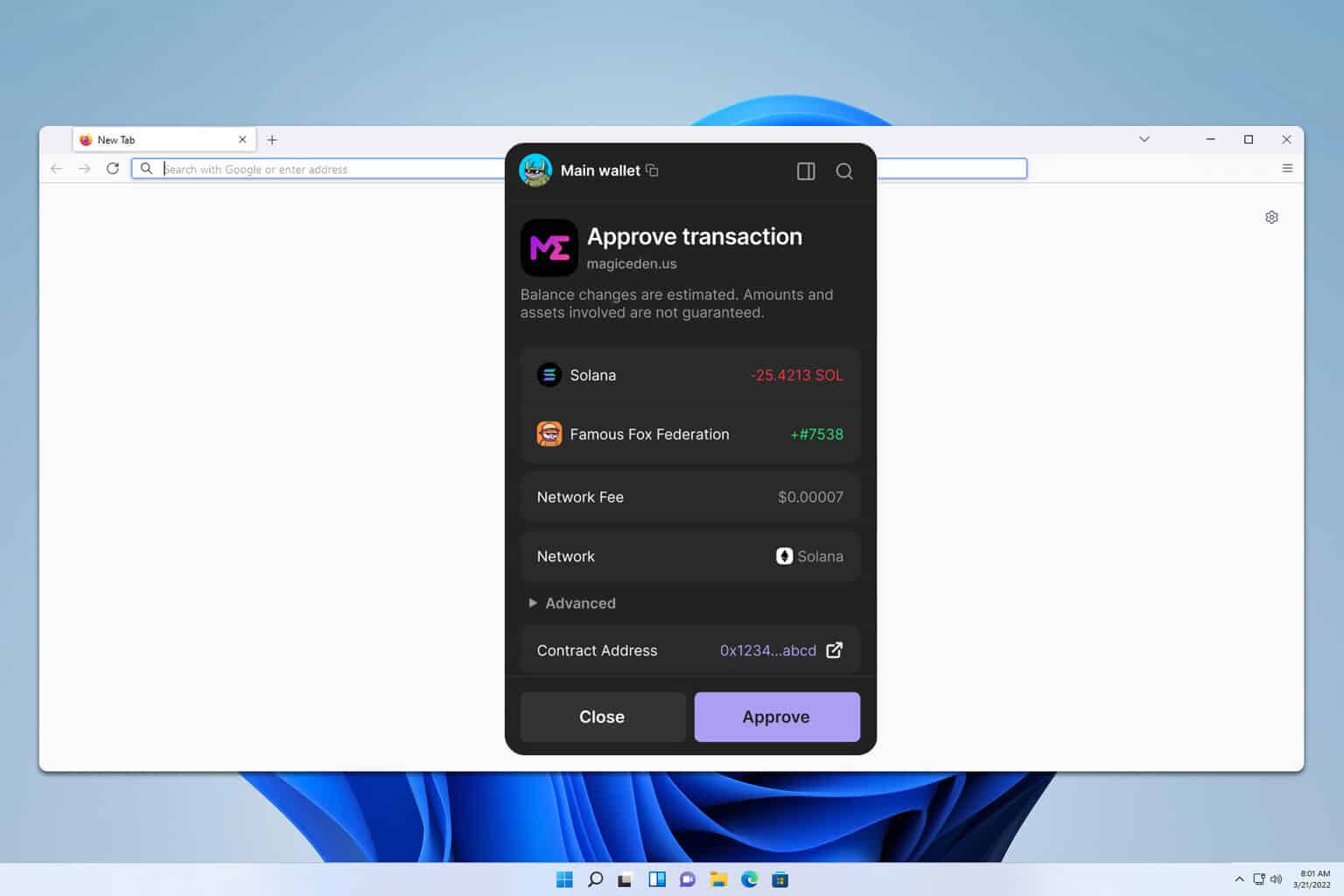
    Screenshot of a Solana wallet extension permissions dialog with highlighted safety tips

    Quick FAQ and Practical Wrap

    Okay, so check this out—below are the short answers I give friends when they ask how to stay safe while using Phantom and similar Solana wallets.

    Common Questions

    Q: Should I use Phantom as my primary wallet?

    A: Use Phantom for daily activities and small trades, but consider a hardware wallet for long-term holdings. I’m biased, but that split strategy balances convenience with security. Also, keep a separate burner wallet for testing new dApps so you reduce exposure for your main account.

    Q: What are the first things to change after installing an extension?

    A: Lock settings, deny blanket permissions, enable auto-lock timers, and verify the extension publisher. Check the extension permissions and the origin; if anything looks off, remove it. And always test with tiny amounts first—very very small—before moving more funds.

  • Where to Get Word and PowerPoint (Without the Headache)

    Whoa! I kept meaning to clean up my documents and organize my slides. Seriously, Microsoft Office still runs the show for most of us in the US. At the same time, downloading Word or PowerPoint feels simple until you realize there are too many versions, subscription options, and confusing purchase pages that make your head spin. Something felt off about the process when I helped a colleague last week.

    Really? My instinct said check accounts first and then installs. Initially I thought you’d just go to Microsoft.com and click download. Actually, wait—let me rephrase that: for some users that’s true, but for many others there’s corporate licensing, older machines that need specific installers, or third-party bundling that complicates straightforward downloads. On one hand it’s fine, though actually you should check system requirements and storage.

    Hmm… Here’s what bugs me about the process. There are too many similar product names. Word, Word for Mac, Word Mobile, Microsoft 365 Personal, Microsoft 365 Family, Office Home & Student — they all sound nearby identical until you read the fine print about updates, cloud storage, and the number of installable devices. If you’re not careful you may grab the wrong plan and then regret it later.

    Screenshot of Word and PowerPoint icons arranged on a macOS desktop

    Getting Word and PowerPoint without the headache

    Whoa! I ended up recommending a simple rule—decide what you actually need. For most home users that means Word, Excel, PowerPoint, and maybe Outlook. For people managing multiple devices or a small business, however, the recurring subscription model often makes sense because it includes security updates, OneDrive storage, and seamless app upgrades that keep compatibility intact as files move between phones, tablets, and desktops. I’m biased, but I prefer a subscription for peace of mind.

    Oh— okay, so check this out—there are legitimate places to get installers outside the Microsoft store. I used a reliable resource the other day when I had to reinstall on a Mac. I don’t usually hand out random URLs, though I will point you to a straightforward download hub that collects installers for different OSes and keeps the options clear so you can pick Word, PowerPoint, or an entire office suite without guessing which SKU fits your machine. It’s especially helpful if your device can’t handle the latest Microsoft 365 app or if you need offline installers.

    Seriously? Before you click anything, confirm your OS version and whether you need ARM or Intel binaries. Mac users sometimes miss the ARM detail and end up with sluggish apps. On top of that, licensing varies—some downloads are free trials, others are full purchases, and corporate keys can be tied to different activation methods that require admin setup or volume licensing tools to work properly across an organization’s fleet. If you’re unsure, pause and ask IT or a tech-savvy friend.

    FAQ

    Can I download Word or PowerPoint for free?

    Short answer: kinda. There are free web-based versions at Office.com that let you do basic editing in Word and PowerPoint, and mobile apps are free with limited features. For full desktop apps you typically need a purchase or subscription, though trial periods exist.

    Which is better: standalone Office purchases or Microsoft 365?

    On one hand, a one-time purchase may save money if you only need classic apps on a single PC. On the other hand, Microsoft 365 gives ongoing updates, OneDrive storage, and multi-device installs, which is worth it for families or anyone who wants fewer compatibility headaches. My gut says subscription for most people, but your mileage may vary.

  • Order-Book DEXes, Liquidity Provision and HFT: A Practical Playbook for Pro Traders

    Wow! Fast-moving markets make you hungry for edge. Short spreads, deep resting liquidity, and predictable execution — that’s the holy trinity for a high-frequency trader. Seriously? Yes. But the path to consistently capturing that edge on a decentralized exchange is twisty. Something felt off about a lot of guides: they talk about AMMs like they’re the only game in town, and forget the power of an order book when you need precision. I’m biased, but order-book DEX venues deserve a closer look.

    Okay, so check this out—order-book DEXs combine the matching mechanics traders know from centralized venues with on-chain settlement and transparency. On one hand, that sounds obvious. Though actually, wait—let me rephrase that: they give market makers the primitives they need — limit orders, depth, time priority — while reducing counterparty risk. Initially I thought on-chain order books would be too slow for HFT. Then I watched protocols optimize off-chain matching and on-chain settlement in concert, and it changed how I approach LP strategies.

    Here’s the thing. Latency matters. Big time. But not every strategy needs co-location or ultra-low microsecond stacks. For many pro traders focused on market-making and arbitrage across venues, what matters more is predictable execution cost and liquidity symmetry. My instinct said: prioritize venues that let you model realized spread and adverse selection accurately. That’s hard to do in AMMs because impermanent loss dynamics can be noisy. Order-book DEXs make those dynamics legible.

    Let me break down the levers you actually care about: price discovery, depth behavior, tick-level spread, fee profile, settlement latency, and MEV exposure. Short sentence. Then expand: price discovery is how quickly the market incorporates information. Depth behavior tells you whether your resting orders will be eaten in a single shock or absorbed across ticks. Fee profile determines whether your strategy stays profitable after gas, taker fees, and rebates. Settlement latency and MEV shape execution risk — the invisible tax on on-chain strategies. These things interact, sometimes in surprising ways.

    Trading is a game of trade-offs. On some chains, low gas means posting many limit orders is cheap but opens you to sandwichers. On others, higher gas protects you but makes rebalancing expensive. Hmm… and then there’s the human factor: other market participants. They adapt. They learn. You watch their footprints and then you adapt back. There’s art in that, and it’s messy.

    Order book depth chart showing concentrated liquidity and spread dynamics

    Where liquidity provision and HFT converge

    For HFT-style market making you want three things: narrow effective spread, low execution slippage for small-to-medium sizes, and predictable churn so your risk models don’t blow up. Many pro traders now run hybrid stacks — off-chain matching to capture price-time priority and on-chain settlement to keep assets non-custodial. That hybrid approach cuts meaningful latency without surrendering decentralization. It’s not magic. It’s engineering plus game theory.

    Practical tip: simulate against resting depth, not only the «top of book.» Real-world fills rarely execute only at NBBO. Measure depth at multiple ticks and stress-test against 1–5% shocks. If your model assumes linear depth, you’ll be wrong. Very very wrong sometimes. The edge you think you have vanishes once someone else floods the book with tighter quotes.

    Fee regimes matter. Fixed-maker rebates favor those providing top-of-book liquidity. Proportional fees that scale with size favor depth-negotiating strategies. You can design incentive-aware LP strategies: size your order folders to capture rebates but leave enough to avoid adverse selection. It’s a balancing act. (oh, and by the way… testing in mainnet conditions is non-negotiable.)

    What about order types? Use them. Iceberg orders, pegged orders, and time-weighted posting can hide intent and reduce selection risk. But beware: pegged oracles and TWAPs can be gamed if price oracles lag. My approach: combine visible limit orders with occasional hidden execution via pegged mechanisms, and always monitor oracle divergence. If an oracle drifts you need a kill-switch. I’m not 100% sure every protocol will give you the right tools out of the box, so plan to build middleware.

    Execution risk, MEV and settlement quirks

    MEV is the quiet tax. It shows up as sandwich attacks, backruns, and subtle slippage. On some DEXes, simple taker trades are profitable until you realize the effective price after reorgs and miner ordering is worse. Initially I thought MEV was a theoretical problem. Then I got front-run on a dense pair during a volatility spike and learned faster. Ouch. That changed risk tolerances.

    Two countermeasures work well in practice: transaction sequencing via private relays and post-trade reconciliation. Private relays reduce exposure to mempool predators. Reconciliation — yes, boring — means you reconcile fills after settlement and adjust quoting aggressiveness dynamically. It’s manual at first, then you automate. The first time you see a bot systematically snipe your quotes is both maddening and instructive.

    Latency again. If settlement confirmation lags, your on-chain hedge may arrive too late. Some teams accept partial off-chain hedging to bridge the gap, then rebalance on-chain when confirmations settle. That’s messy and introduces custody nuances, but it’s pragmatic. Trade-offs, right?

    Designing robust LP algorithms

    Start with a loss function that includes taker fees, gas, MEV, and inventory risk. No single metric tells the full story. Use dynamic skewing: bias quotes toward hedged legs when your inventory moves away from target. If volatility jumps, widen spreads quickly and shrink sizes. If you don’t, someone else will take the inventory risk off your hands. That part bugs me — it’s not glamorous, but it’s where many strategies fail.

    Backtest with event-driven simulations. Simulate order queue dynamics and competing liquidity providers. Inject adversarial actors. Honestly, it’s less about perfect forecasting and more about robust responsiveness. Think of your algo as a reflex system: detect, decide, execute, adapt. Repeat. You’ll learn a ton from live micro-tests that you can’t imagine in a pure historical sim.

    Want to explore a venue that’s built with these primitives in mind? Check real implementations and docs — for one example of an order-book focused offering with a hybrid architecture, see https://sites.google.com/walletcryptoextension.com/hyperliquid-official-site/. I’m not vouching for any single product over another, but it’s useful to study platforms that explicitly address matching latency, fee incentives, and MEV mitigation.

    Operational playbook — quick checklist

    – Measure depth across ticks and under stress.
    – Quantify net execution cost: fees + gas + estimated MEV.
    – Use pegged and hidden orders cautiously; monitor oracle divergence.
    – Implement kill-switches and emergency wideners.
    – Run adversarial backtests with snipers and liquidity takers.
    – Keep hedging latency budgets tight; accept partial off-chain hedges if necessary.

    FAQ

    Q: Should pro HFT firms prefer order-book DEXes over AMMs?

    A: It depends. If your strategies rely on precise price-time priority, deep tick-level control, and reduced exposure to slippage for small-to-medium trades, then order-book DEXes are attractive. AMMs can be better for passive, wide-range liquidity or when impermanent loss models are favorable. On-chain fees, settlement latency, and MEV profiles tip the balance.

    Q: How do I measure MEV impact on my strategy?

    A: Track realized vs. expected fill prices, segment by gas price and time-to-confirmation, and isolate events where your order was front-run or back-run. Estimating MEV requires combining mempool observation with post-trade chain analysis. It’s tedious, but without it your P&L attribution is incomplete.

    Q: Is on-chain settlement always worth the trade-offs?

    A: Not always. For ultra-low latency arbitrage, off-chain settlement or centralized venues may be better. For strategies valuing non-custodial settlement and counterparty transparency, the trade-offs can be worth it. Personally, I mix venues depending on the instrument and regime — diversification of execution venues is its own hedge.